
Managing diabetes is never simple, and it gets harder as people get older. Managing diabetes can be an everyday battle for seniors who would rather stay in their own homes than go into a facility. In terms of managing diabetes, home care assistance is a practical and compassionate option for seniors to stay safe, healthy, and independent.
Why Diabetes Becomes More Challenging with Age
As people get older, they often have new health problems, including loss of vision, arthritis, changes in cognition, and less mobility. These challenges can make everyday diabetic tasks such as monitoring blood sugar, making nutritious meals, and remembering medication schedules that much harder. If diabetes is not managed effectively, it can cause serious health problems, such as nerve damage, kidney problems, loss of vision, and slow-healing wounds. Home care assistance can make a big difference in this situation.
Regular Monitoring Counts
One of the biggest advantages of home care is consistency. Trained caregivers can help seniors monitor their blood sugar levels often and recognize early warning signs of highs or lows before they become serious. This kind of consistent oversight can be hard to maintain by oneself, especially for seniors juggling multiple health issues. Regular caregiver check-ins also offer reassurance to seniors and their loved ones, as it allows for earlier detection of possible issues.
Healthy Meals Made Easy
Nutrition is an important aspect of diabetes care, but grocery shopping, meal planning, and cooking can be demanding for older adults. Home care assistance providers can assist with meal preparation, ensuring seniors eat balanced, diabetes-friendly meals that maintain stable blood sugar levels. This is significant since it means seniors get healthy meals that meet their needs and tastes—rather than resorting to less healthy convenience foods.
Medication Reminders That Work
When a senior misses a dose of insulin or oral medication, it can throw off their blood sugar control and increase their risk of problems. Trained caregivers help seniors stay on track with their medications by offering gentle reminders and helping to organize pillboxes and track dosages. This layer of support can stop dangerous fluctuations and reduce hospital visits.
Encouraging Safe Physical Activity
Regular exercise can help control blood sugar, but some seniors may feel uncomfortable exercising alone, especially if they have balance problems or neuropathy. By encouraging and joining seniors on walks or moderate workouts, caregivers can help make physical activity safer and more enjoyable. This approach also allows seniors to remain active and reduces the danger of falls and accidents.
Skin and Foot Health Monitoring
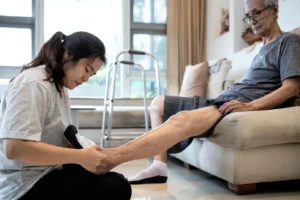
Diabetes often leads to slower healing and a loss of sensation in the feet, so even small cuts or blisters can be a big concern. Daily foot assessments and proper skin care help ensure that minor anomalies are caught before they progress into significant concerns such as infections or ulcers.
Emotional Support Matters Too
Living with a chronic condition can be isolating, especially for seniors who live alone. Home care offers companionship and practical support, which reduces stress and encourages a more positive attitude. Emotional support can also improve overall health and well-being by lowering stress-induced blood glucose levels.
Home care assistance gives seniors the opportunity to stay in their homes and receive effective diabetes management. It also gives families peace of mind, knowing their loved one is being well cared for and treated with kindness and respect.
If you or an aging loved one are considering hiring professional home care assistance in Westfield NJ, please talk to the caring staff at Generations Home Health Care today. Providing Home Care in Somerset, Essex, Union, Morris and Hunterdon Counties. Call us today at (908) 290-0691 or (973) 241-4534.
Sources:
https://www.bannerhealth.com/healthcareblog/better-me/healthy-living-with-diabetes-as-you-get-older
https://www.dedicated.care/articles/5-tips-managing-diabetes-senior
https://www.nia.nih.gov/health/diabetes/diabetes-older-people
