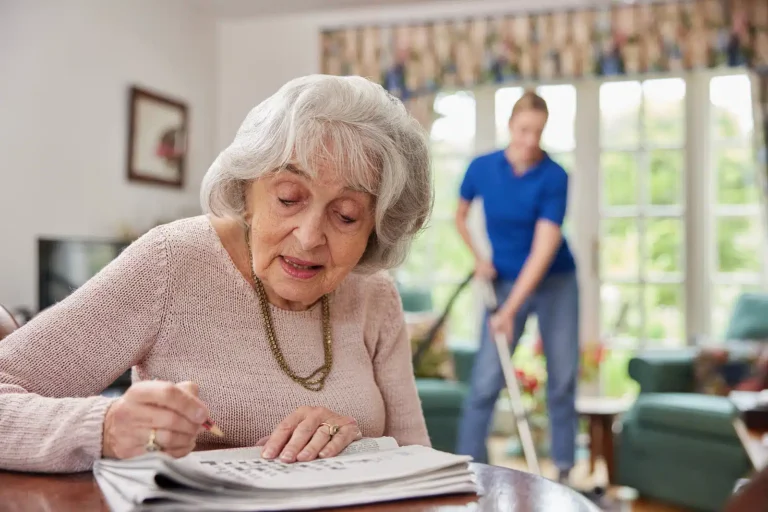
Top Signs Your Loved One May Benefit from Live-In Care
If you’ve begun to notice the signs discussed here in someone you love, exploring live-in care may be a positive step toward creating a safer and more supportive environment.
Professional home care assistance offers a compassionate solution that helps seniors maintain their dignity while ensuring their hygiene needs are properly met.
Care Management combines clinical expertise with compassionate guidance to help clients and their families stay safe, informed, and supported right in the comfort of their home.
The never-ending question for many aging adults is how they can drink what they want while also meeting their hydration needs. These tips can help.
Caregivers provide comfort, companionship, and support so that your senior parent will be happier and healthier at home, as well as safer.
Companion care at home is essential when it comes to preventive health, assisting seniors with health screenings, and empowering them to voice their concerns.
Why is depression so common among those with Parkinson’s disease? These six common factors often combine, making depression and anxiety likely.
If your loved one is starting to struggle alone, or if your family is stretched thin trying to cover every need, live-in care may be the step that keeps home possible.

Through proper nutrition, hydration, physical activity, and attentive observation, caregivers help seniors feel more comfortable and confident, to remain in their homes.

We’re excited to announce a new addition to the Generations Home Healthcare family – Generations Transport Service, providing non-medical transportation.